
The Calm Morning Routine For Families With Kids
Mornings in families with children often feel like a race against the clock. Between waking everyone up, getting dressed, packing lunches, and making sure no one forgets their shoes, stress can quickly take over. But what if mornings could be calm, even enjoyable? A well-planned morning routine can transform the start of your day, helping both parents and kids feel more relaxed and ready for what lies ahead.
This post shares practical morning routines that work for families with children of all ages. It also highlights tools like an acrylic wipeable weekly planner for older kids, a personalised morning chart for younger children, and a sticker chart for toddlers. Plus, you’ll discover why spending a few minutes together over breakfast and including daily affirmations can make a big difference.

Why a Calm Morning Routine Matters
Starting the day calmly sets the tone for the entire family. When mornings are rushed and chaotic, children often feel anxious, which can affect their mood and focus at school. Parents who begin their day stressed may find it harder to concentrate at work or manage daily challenges.
A calm morning routine helps everyone:
Feel more organized
Reduce stress and frustration
Build positive habits
Enjoy quality family time
For busy families juggling school runs and work, a smooth morning routine can be a lifesaver. It creates space for connection and helps children develop independence and responsibility.
Tools to Support Your Morning Routine
Different ages need different supports to stay on track. Here are some tools that can help:
Acrylic Wipeable Weekly Planner for Older Children and Teenagers
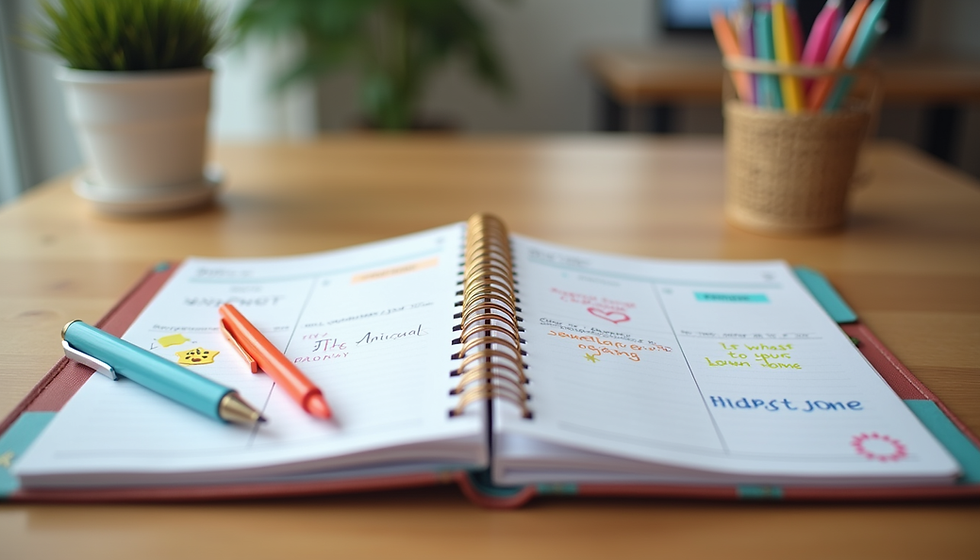
Older kids and teens often have more complex schedules. A wipeable weekly planner lets them see their week at a glance, plan their mornings, and adjust as needed. It encourages responsibility and helps reduce last-minute scrambles.
You can find a great option here: Acrylic Wipeable Weekly Planner
Morning Chart for Younger Children
Younger children respond well to visual cues. A morning chart with interchangeable pegs or tabs can be hung on the wall and personalised to each child’s needs. Tasks like brushing teeth, getting dressed, and packing a bag become clear and manageable.
Toddlers love stickers, and a sticker chart turns morning tasks into a fun game. Rewarding small achievements builds confidence and motivation.
Example Morning Routines That Work
Here are sample routines tailored to different age groups. Feel free to adapt them to fit your family’s unique rhythm.
For Toddlers and Pre-schoolers
Wake up and cuddle for a few minutes
Use the morning sticker chart to complete simple tasks (brush teeth, get dressed)
Eat breakfast together (porridge, fruit, or toast)
Place a sticker on the chart for each completed task
Spend a few minutes reading or playing quietly before heading out
For Junior-Age Children
Wake up and get dressed independently using the morning chart
Help pack their school bag
Eat breakfast together, chatting about the day ahead
Use the morning routine chart or small rewards for motivation
Review daily affirmations together (see below)
For Teens
Use the acrylic wipeable planner to organise their morning tasks and school schedule
Prepare their own breakfast or pack lunch the night before
Spend 5 minutes reviewing daily affirmations or setting intentions
Leave home with everything ready, reducing last-minute stress

The Power of Breakfast Together
Even a short breakfast shared as a family can have big benefits. Sitting down together for a few minutes:
Encourages healthy eating habits
Builds emotional connection
Provides a calm moment before the day’s busyness
Helps children feel secure and supported
Busy mornings don’t have to mean skipping breakfast or eating on the go. Simple meals like cereal, yogurt with fruit, or toast can be prepared quickly and enjoyed together.
Adding Daily Affirmations to Your Morning
Daily affirmations are positive statements that help build confidence and a positive mindset. Including them in your morning routine benefits both parents and children by:
Reducing anxiety
Encouraging self-belief
Setting a positive tone for the day
Try starting with simple affirmations like “I am capable,” “I am kind,” or “I can handle today.” You can find a helpful guide here: Daily Affirmations Guide
Calm Mornings Help Everyone Perform Better
Research shows that children who start their day calmly are better able to focus and learn at school. Parents who begin their day with less stress tend to have improved productivity and mood at work.
A calm morning routine supports:
Better emotional regulation in children
Increased patience and resilience in parents
Stronger family bonds

Calm and Cosy Mornings as Self-Care
Mornings are a chance for parents to practice self-care too. Creating a calm and cosy environment helps reduce overwhelm and sets a positive example for children. This might mean:
Playing soft music
Lighting a candle or opening a window for fresh air
Taking a few deep breaths before starting the day
Self-care in the morning builds resilience and helps families face daily challenges with more ease.
Final Thoughts
Building a calm morning routine takes some planning but pays off in smoother days and happier families. Using tools like a personalised morning chart, sticker charts, and a weekly planner can make mornings easier for kids of all ages. Sharing breakfast and including daily affirmations adds warmth and positivity to your start.
Try introducing one new element at a time and watch how your mornings transform. A calm start helps children thrive at school and parents perform better at work, while also nurturing your family’s well-being.
Start small, stay consistent, and enjoy those calm, cosy mornings together.




I've bought the checkboard and charts stickers. They're fantastic and the kids love them. Chores that were hard to instil now become games. Mornings are so much easier. They're cheap too! 😀
Your chart with interchangeable tabs/pictures is a brilliant idea particularly for young children and those with special needs. It gives an organised direction that can suit the child's individual pace and needs and encourages independence. As a teacher I heartily recommend this purchase. 👍