
How To Create a Family Routine That Sticks
Updated: Sep 8
Creating a Family Routine That Works for Everyone
Creating a family routine that works for everyone can feel like trying to solve a puzzle with missing pieces. Yet, when it clicks, the whole household runs smoother, stress drops, and kids thrive. A solid routine is more than just a schedule—it’s a foundation that supports children’s growth, teaches responsibility, and builds calm in the home. This post will guide you through why routines matter, how involving everyone in chores creates harmony, and practical ways to make your family routine stick.
Why Routine Matters for Children and Self-Care
Children thrive on predictability. Knowing what to expect helps them feel safe and secure, which is essential for emotional well-being. A routine supports self-care by setting regular times for meals, sleep, play, and learning. When kids follow a routine, they develop habits that promote health and independence.
For example, a bedtime routine with brushing teeth, reading a story, and dimming lights signals the body to wind down. This consistency improves sleep quality, which in turn boosts mood and focus during the day. Similarly, regular meal times encourage balanced eating habits.
Routines also teach children to manage themselves. When they know when to do homework or chores, they learn time management and responsibility. These skills build self-esteem because kids feel capable and trusted.
How Family Participation Creates Calm and Order
A calm home doesn’t happen by chance. It grows when everyone pitches in to keep the space clean and organised. Sharing chores like cooking, tidying, and laundry turns the household into a well-oiled machine. Even young children can contribute in simple ways, like putting toys away or setting the table.
When chores are shared, no one feels overwhelmed. Parents aren’t the only ones responsible for running the household, which reduces stress and frustration. Kids learn that their efforts matter and that they are part of a team.
For example, cooking together can be a fun family activity. Kids can wash vegetables, stir ingredients, or help set the table. This involvement teaches practical skills and creates bonding moments. After dinner, everyone can take turns clearing dishes or wiping counters.
Organising daily chores into a routine means tasks get done regularly without last-minute chaos. This rhythm creates a peaceful environment where everyone knows their role.
Using Chore Charts and Rewards to Motivate Children
A great way to keep kids engaged is with a chore chart. It visually tracks their tasks and progress, making responsibilities clear and achievable. You can download a free chore chart for children here to get started.
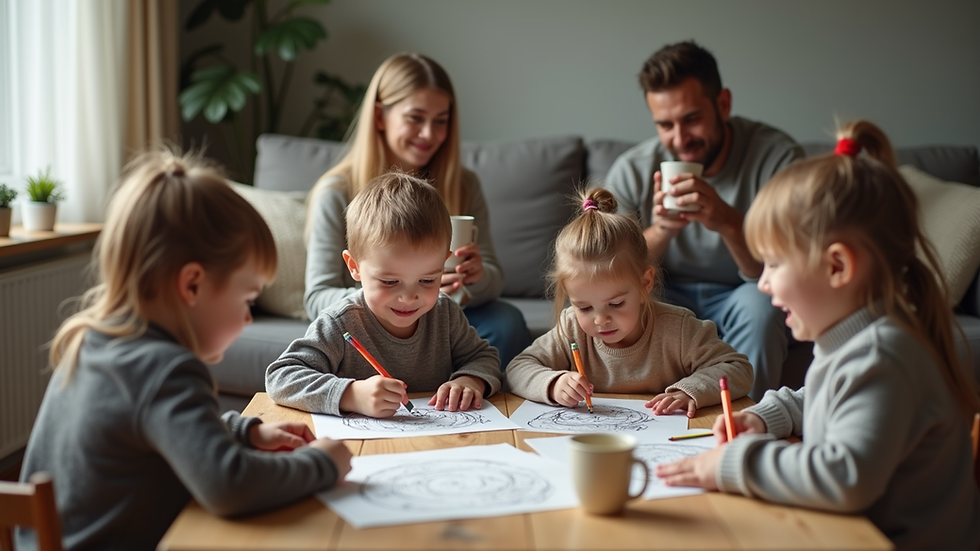
Pairing chores with rewards encourages motivation. Instead of material treats, consider rewarding children with family downtime activities. For instance, after completing their chores, kids can enjoy colouring pages from our colouring pages bundle available in the shop here. This quiet, creative time together is a perfect way to relax and celebrate their efforts.
Using rewards like colouring or family games strengthens positive habits without creating pressure. It also builds anticipation for shared moments, making chores feel less like a burden.
How Weekly Family Routines Reduce Stress and Boost Self-Esteem
Committing to a weekly family routine brings predictability that lowers stress for both parents and children. When everyone knows what to expect, mornings and evenings flow more smoothly. Parents can plan their day better, and kids feel more confident handling their responsibilities.
For example, setting a fixed time for homework, chores, and play helps children balance their day. They learn to prioritize and manage time, which boosts their self-esteem. Completing tasks regularly gives a sense of accomplishment.
Parents notice fewer power struggles and less nagging because expectations are clear. This calm atmosphere benefits everyone’s mental health.
How Family Routines Bring Families Closer and Reduce Chaos
A shared routine creates opportunities for connection. When families eat meals together, do chores as a team, or enjoy downtime activities, they build stronger bonds. These moments foster communication and understanding.
A routine also cuts down on chaos. Without a plan, days can feel rushed and unpredictable. A routine sets a steady pace, so the household runs with less noise and confusion.
For example, having a Sunday evening family meeting to plan the week can help everyone feel involved and prepared. This simple habit encourages teamwork and reduces surprises.
Breaking Traditional Gender Roles in Household Tasks
Encouraging all family members to participate in chores, regardless of gender, teaches valuable lessons. It breaks down outdated stereotypes and shows children that responsibility is shared.
When boys and girls both learn to cook, clean, and organise, they grow up with equal skills and respect for household work. This prepares them for independent living and healthy relationships.
For example, assigning cooking duties to all children, not just daughters, promotes fairness and confidence. Fathers helping with laundry or cleaning models positive behaviour for sons.
This approach builds a balanced family dynamic where everyone contributes and feels valued.
Practical Tips to Create a Family Routine That Sticks
Start small: Introduce one or two new habits at a time to avoid overwhelm.
Involve everyone: Let children help plan the routine so they feel ownership.
Use visual aids: Chore charts and calendars make routines clear and fun.
Be consistent: Stick to the schedule even on busy days to build habits.
Celebrate progress: Praise efforts and enjoy rewards like colouring or family games.
Stay flexible: Adjust the routine as needed to fit changing needs.
The Importance of Self-Care in Family Routines
Self-care is essential for everyone in the family. When parents take time for themselves, they recharge and can better support their children. Incorporating self-care into family routines can be as simple as scheduling quiet time for reading or a family walk after dinner.
Encouraging kids to engage in their own self-care routines, like taking a relaxing bath or enjoying a hobby, fosters independence and emotional health. When we prioritise self-care, we model healthy habits for our children.
Final Thoughts
Building a family routine that sticks takes effort but pays off in calm, connection, and confidence. When everyone shares chores and follows a plan, the household runs smoother and stress fades. Kids learn responsibility and self-care, setting them up for success.
Try downloading the free chore chart and explore the colouring pages bundle as a fun reward for your children. These tools make routines enjoyable and meaningful.
If you found this post helpful, please subscribe to our site for more family tips. We’d love to hear your thoughts—leave a comment below or on any other posts you enjoyed reading!


Comments